If you're flying into Denver between September and May and driving into the mountains, Colorado's Traction Law applies to you — and most visitors don't find out until they're already on I-70 with warning signs flashing overhead.
Here's what the law actually requires, what happens if your rental doesn't meet it, and how to make sure you're covered before you leave the airport.
What is Colorado's Traction Law?
The Passenger Vehicle Traction Law sets a minimum standard for tires and drivetrain on Colorado mountain highways.
It is in effect every year from September 1 through May 31 on the I-70 Mountain Corridor between Dotsero and Morrison. That's the exact stretch you drive from Denver to Vail, Breckenridge, Keystone, Copper, and Beaver Creek. CDOT can also activate it on any other state highway when conditions call for it.
The law applies to passenger vehicles under 16,001 lbs — which means almost every car, crossover, SUV, and light truck on the road.
What your vehicle needs to be compliant
If you're driving AWD or 4WD: your tires need at least 3/16-inch tread depth and must be rated as winter tires (marked with the three-peak mountain snowflake symbol), all-weather, or mud and snow (M+S). Meet that and you're compliant — no chains required.
If you're driving 2WD: you need chains or an approved alternative traction device. Under the updated law there is no tire-only route to compliance for two-wheel-drive vehicles, and you're expected to carry them on the I-70 corridor for the full September–May window.
What it costs if you're not compliant
The penalty is a $50 fine plus a $17 surcharge.
The real cost is bigger. You can be turned around, and if your vehicle blocks traffic you can be held responsible for that too. On a powder day with the canyon backed up, that's the trip.
The Chain Law is a different, stricter thing
Don't confuse the two. The Traction Law is the standard winter requirement. The Passenger Vehicle Chain Law is what CDOT applies in severe storms as a last measure before closing the highway entirely — and under it, every vehicle needs chains or an approved alternative traction device regardless of drivetrain or tires.
If a Chain Law is active, the right call is almost always to wait it out.
The problem with standard rental cars
Here's what visitors don't expect: most rental fleets in the US run all-season tires, even in snow states. Installing winter tires isn't standard practice for rental companies here the way it is in parts of Europe.
And most national chains won't guarantee drivetrain when you book. The standard answer at the counter is that it depends what's available when you arrive. Travellers regularly report reserving an SUV and being handed something with front-wheel drive, or paying a steep premium purely to guarantee 4WD.
That's a difficult thing to discover in February with a ski week booked and a two-hour drive ahead of you.
How to make sure your rental is compliant
- Confirm the drivetrain in writing before you book — not "SUV," but AWD or 4WD specifically.
- Ask what tires are fitted. "All-season" is not the same as winter-rated. Look for the three-peak mountain snowflake.
- Check the tread. 3/16-inch is the legal minimum, and worn tires are a common failure point on high-turnover fleets.
- Check cotrip.org before you set off. CDOT posts live restrictions there.
Where Cons Crisp Cars sits
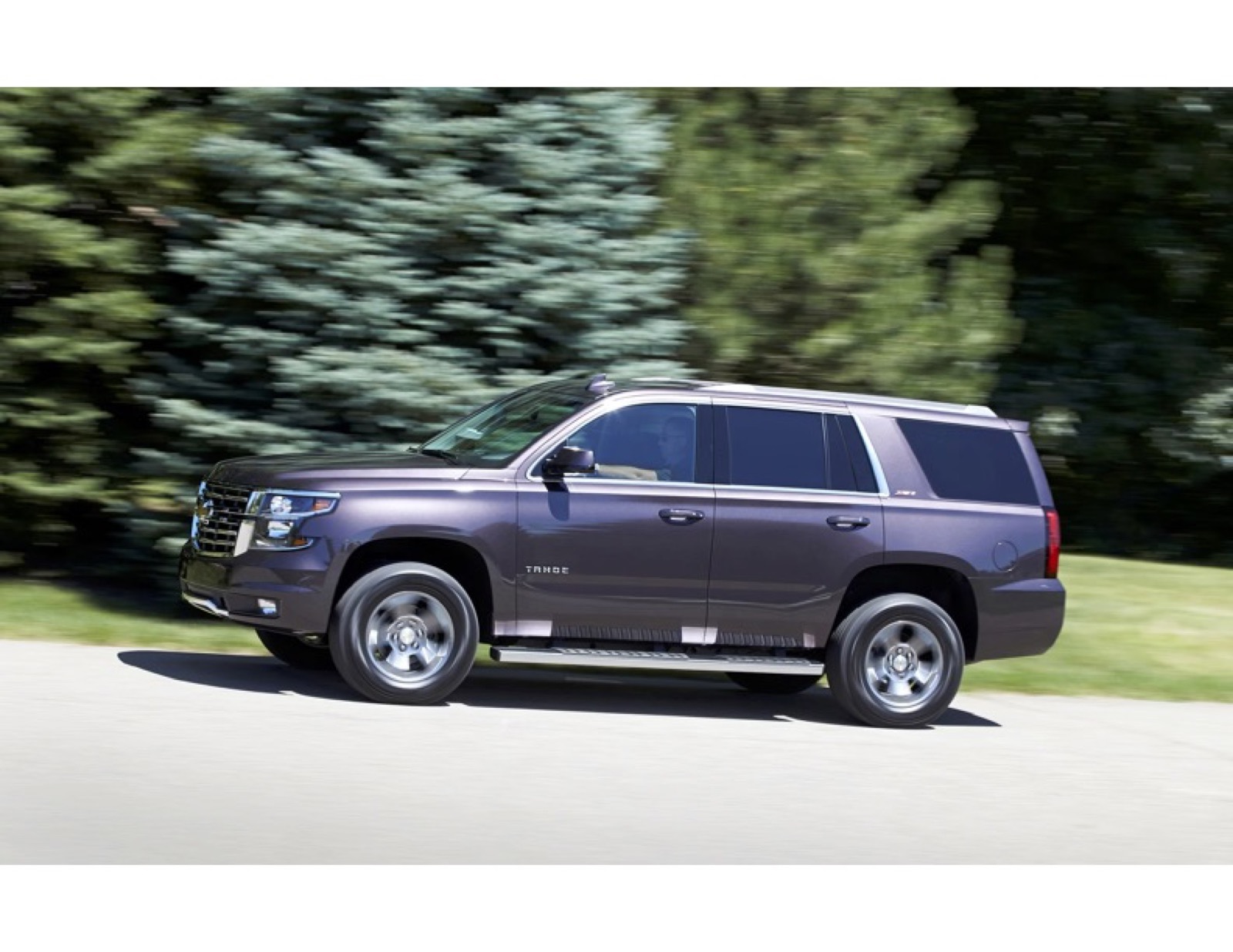
Every vehicle in our fleet is all-wheel drive or four-wheel drive, fitted with winter tires rated for snow. That's the standard specification across the whole fleet — not a paid upgrade, and not dependent on what's left on a lot when you land.
Our SUVs meet Colorado's Traction Law requirements as delivered.
The honest caveat is the one above: during a full Chain Law, every vehicle needs chains regardless. We don't supply chains, so check CDOT conditions in severe weather and give the storm time to pass.
Before you drive I-70 in winter
- Check road conditions at cotrip.org before leaving Denver
- Leave early — I-70 westbound backs up badly Friday afternoons and Saturday mornings
- Keep at least half a tank; closures can run long
- Water, snacks, and a warm layer in the car
- Never pass snowplows running in tandem formation. It's a Class A offense and genuinely dangerous — you're driving into a whiteout with a ridge of snow between lanes
Renting an SUV that's already compliant is the simplest way to stop thinking about any of this. See our AWD fleet, or read AWD vs 4WD vs 2WD in Colorado and how airport delivery works.